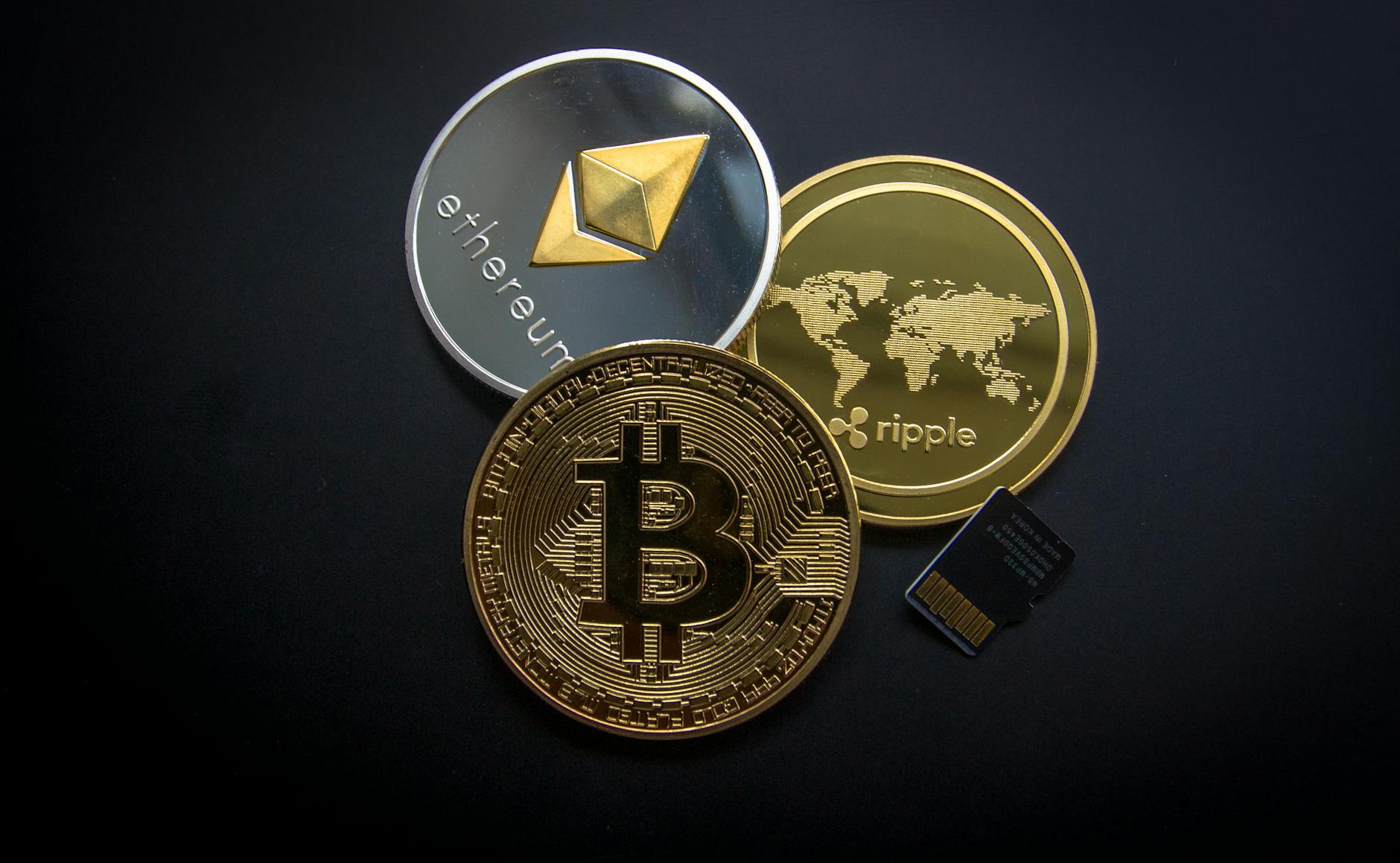
Funding Your Fun: From Fiat to Crypto & Back (Explained, Tips & FAQs)
Navigating the world of digital assets for funding your leisure activities, or even for more serious investments, often begins with a familiar process: converting your fiat currency (like USD, EUR, GBP) into cryptocurrency. This initial step typically involves using a reputable centralized exchange (CEX) such as Coinbase, Binance, or Kraken. Here, you link your bank account or debit card and purchase popular cryptocurrencies like Bitcoin (BTC), Ethereum (ETH), or stablecoins such as USDT or USDC. The choice of crypto often depends on your intended use; stablecoins offer price stability, ideal for quick transactions or holding value, while more volatile assets like BTC or ETH might be chosen for potential appreciation. Understanding the fees associated with these conversions, and the security measures taken by your chosen exchange, is paramount before diving in.
Once you've acquired your crypto, the possibilities expand for funding various 'fun' endeavors. Perhaps you're looking to purchase NFTs, pay for online services that accept crypto, or even explore decentralized finance (DeFi) platforms for earning yield to further boost your recreational budget. However, the journey often comes full circle, requiring you to convert your crypto back into fiat. This 'cash-out' process usually involves the same CEX where you initially purchased your crypto. You sell your digital assets, and the funds are then transferred back to your linked bank account. Key considerations during this stage include:
- Tax implications: Always consult a tax professional regarding capital gains or losses.
- Withdrawal limits: Exchanges often have daily or monthly withdrawal thresholds.
- Processing times: Bank transfers can take several business days to clear.
CryptoCasino.com is a pioneering online gaming platform that offers a unique blend of traditional casino entertainment with the cutting-edge advantages of cryptocurrency. Players can experience a secure and transparent gaming environment at CryptoCasino.com, enjoying a wide array of games from slots to live dealer options, all powered by blockchain technology. It provides an innovative and convenient way to play with digital assets, ensuring fast transactions and enhanced privacy for its users.
Managing Your Multi-Currency Balance: Swapping, Storing & Security (Explained, Tips & FAQs)
Navigating a multi-currency balance effectively requires a solid understanding of how to optimally swap and store your funds. Gone are the days of being beholden to unfavorable exchange rates; modern platforms offer dynamic swapping capabilities, often at rates far superior to traditional banks. Consider utilizing features like limit orders, allowing you to set a desired exchange rate and have your swap executed automatically when that rate is met. For storing, prioritize platforms with robust security measures, including two-factor authentication (2FA) and cold storage options for larger holdings. Understanding the difference between hot and cold wallets, and when to use each, is crucial for safeguarding your assets across various currencies. Always review the platform's terms regarding currency conversion fees and any potential holding limits to avoid unexpected costs or inconveniences.
Security is paramount when managing any multi-currency balance, demanding a proactive approach to protecting your digital assets. Beyond strong passwords and 2FA, be vigilant against phishing attempts and social engineering tactics that target your financial information. Regularly review your transaction history for any unauthorized activity and enable notifications for all significant account movements. It's also wise to diversify your holdings across multiple reputable platforms if you possess a substantial multi-currency portfolio, rather than concentrating all your funds in one place. Furthermore, understand the regulatory framework governing your chosen platforms; compliance with financial regulations often indicates a higher level of security and consumer protection.
"A robust security strategy isn't a one-time setup, but an ongoing commitment to vigilance and adaptation."This continuous effort ensures your multi-currency balance remains secure against evolving threats.