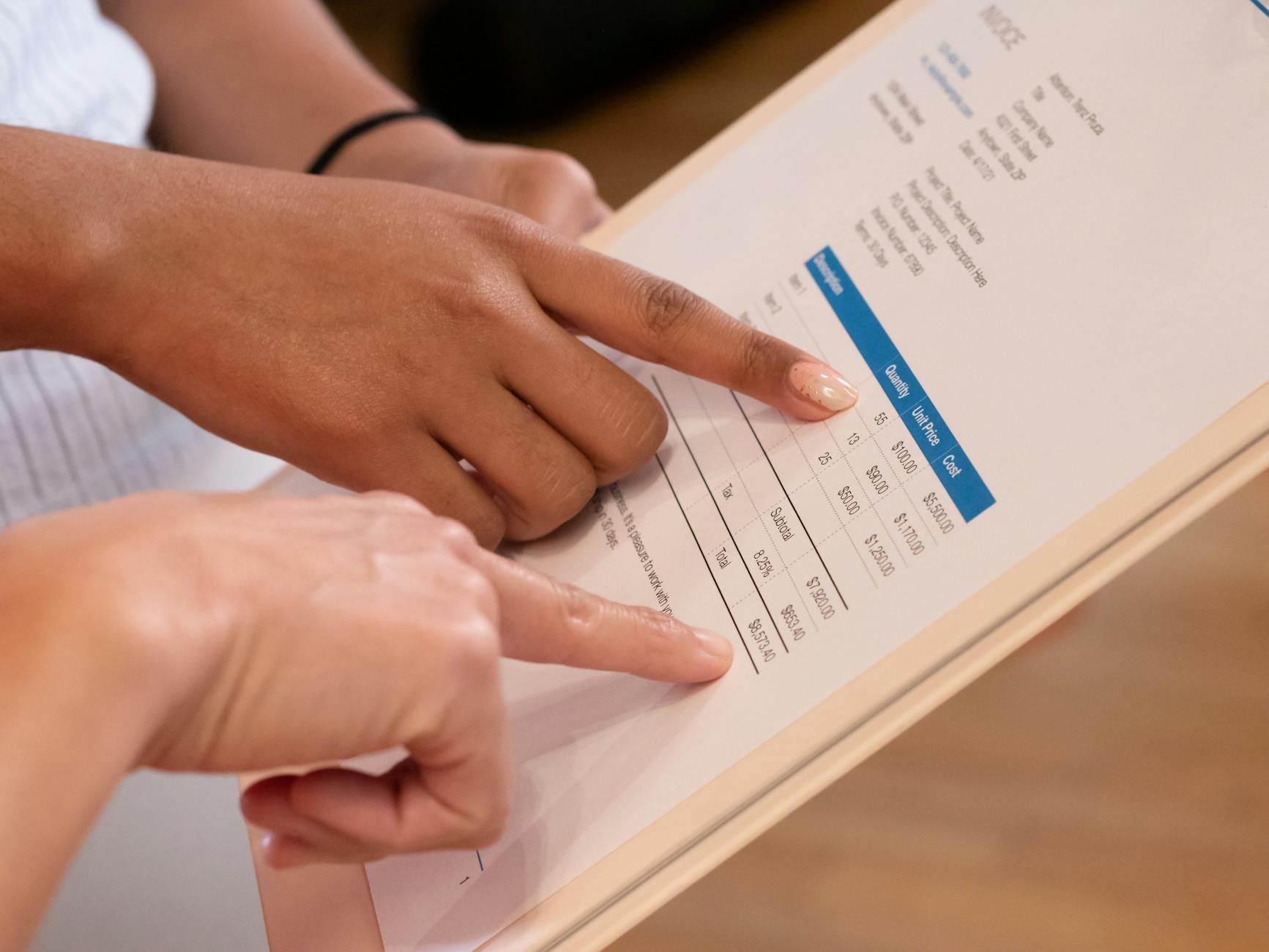
Understanding E-invoicing: What It Is, Why It Matters, and Key Terminology You Need to Master
E-invoicing represents a significant leap forward from traditional paper or even PDF-based invoicing systems. At its core, an e-invoice is an invoice that has been issued, transmitted, and received in a structured electronic format which allows for automatic and electronic processing. Unlike a simple emailed PDF, which still requires manual data entry or optical character recognition (OCR), an e-invoice contains data that machines can read and understand directly. This facilitates seamless integration with accounting software, Enterprise Resource Planning (ERP) systems, and other financial platforms. The format is crucial, with common standards including XML (e.g., UBL, CII) or EDIFact, ensuring interoperability between different systems. This move isn't just about going paperless; it's about creating an end-to-end digital workflow that enhances efficiency, reduces errors, and significantly speeds up payment cycles.
The shift towards e-invoicing is not merely a technological upgrade; it's a strategic imperative driven by both private sector efficiency goals and increasing governmental mandates. Governments worldwide are recognizing the benefits, particularly in combating tax fraud and improving transparency, leading to the implementation of mandatory e-invoicing for B2B and B2G transactions. For businesses, the benefits are multi-fold:
- Improved Accuracy: Eliminates manual data entry errors.
- Faster Processing: Automates reconciliation and approval workflows.
- Cost Savings: Reduces printing, postage, and administrative overhead.
- Enhanced Compliance: Simplifies adherence to tax regulations and audit trails.
- Better Cash Flow: Accelerates invoice delivery and payment.
Understanding these drivers and the underlying technology is crucial for any business looking to remain competitive and compliant in the evolving digital landscape.
E-invoicing streamlines the billing process for small and medium-sized enterprises (SMEs), reducing manual errors and saving time. By adopting e-invoicing for SMEs, businesses can improve cash flow, enhance accuracy, and ensure compliance with regulatory requirements, leading to greater efficiency and profitability.
Your E-invoicing Action Plan: A Step-by-Step Guide to Getting Started, Choosing Solutions, and Avoiding Common Pitfalls
Embarking on your e-invoicing journey requires a strategic, step-by-step approach to ensure a smooth transition and maximize benefits. First, conduct a thorough internal assessment: understand your current invoicing processes, identify key stakeholders, and determine your specific needs and pain points. Are you dealing with high volumes, international transactions, or specific compliance requirements? This initial deep dive will inform your subsequent decisions. Next, research the various types of e-invoicing solutions available, from direct integration with your accounting software to dedicated third-party platforms. Consider factors like scalability, security, cost, and the level of automation offered. Don't rush this crucial phase; a well-chosen solution will be the backbone of your efficient e-invoicing operations.
Once you've identified potential solutions, meticulously evaluate them against your established criteria. This often involves requesting demos, comparing pricing structures, and critically, understanding their implementation process. Pay close attention to data migration capabilities and the level of support provided during onboarding. A common pitfall to avoid is underestimating the importance of change management within your organization.
Effective communication and training for your team are paramount to successful adoption. They need to understand the 'why' behind the change and how to effectively use the new system.Furthermore, ensure your chosen solution is compliant with current and future regulatory requirements, especially if operating internationally. A proactive approach to compliance will save significant headaches down the line.